Moving to Costa Rica: The Complete Guide for Expats (2026)
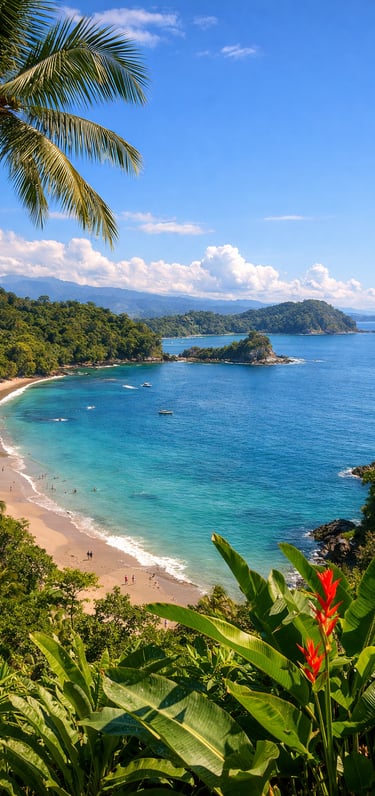
Costa Rica has become one of the most popular destinations in the world for expats, retirees, and digital nomads. With its tropical climate, beautiful beaches, lush rainforests, and relaxed “Pura Vida” lifestyle, thousands of people relocate to Costa Rica every year.
For many people, the dream begins with warm weather, outdoor living, and a slower pace of life. But moving to another country involves more than simply choosing a beach town and booking a flight.
Understanding residency options, healthcare, housing, and the cost of living can make the transition much smoother.
This guide explains the most important things to know before moving to Costa Rica, helping you begin your relocation research with confidence.
Why People Move to Costa Rica
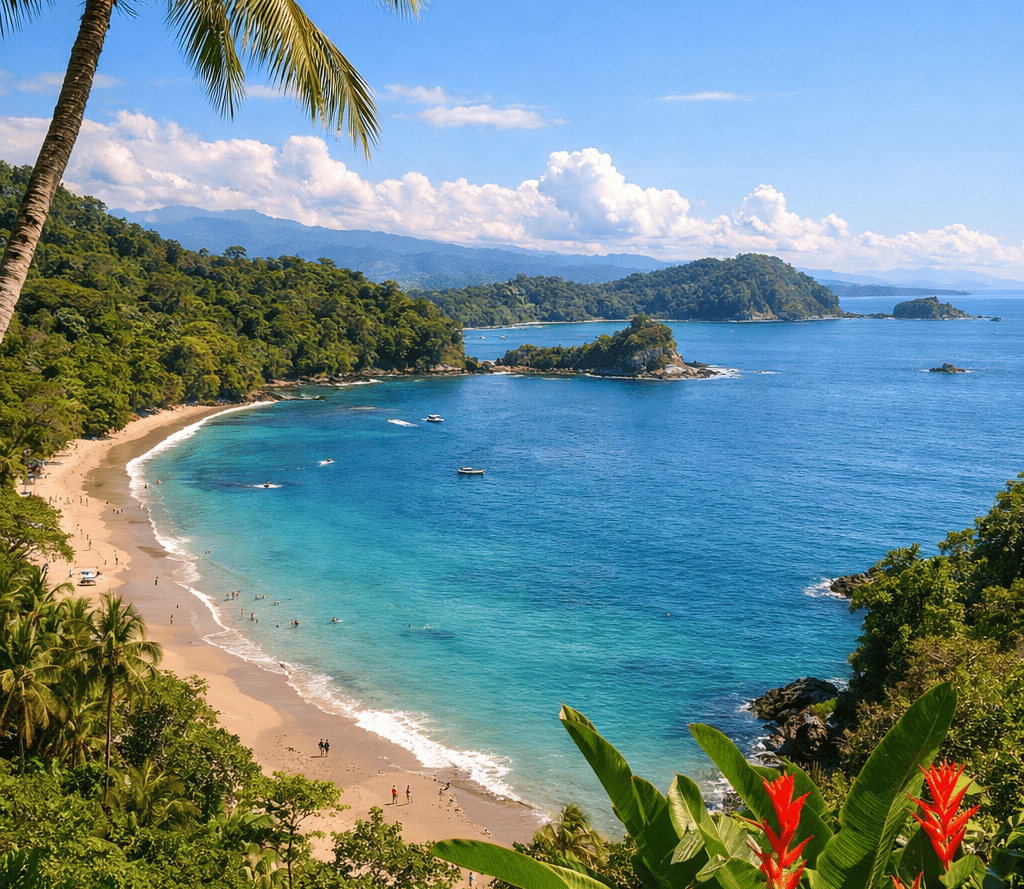
Costa Rica offers a unique combination of natural beauty, political stability, and quality of life that continues to attract people from around the world.
Some of the most common reasons people relocate include:
year-round warm climate
beautiful beaches and rainforests
welcoming culture and friendly locals
strong healthcare system
outdoor lifestyle opportunities
established expat communities
Costa Rica is also known for its environmental conservation efforts and stable democracy, making it one of the most attractive relocation destinations in Latin America.
Choosing Where to Live in Costa Rica
One of the most important decisions when relocating is choosing where to live. Costa Rica offers a wide range of environments, from lively beach towns to cooler mountain communities.
Popular expat destinations include:
Playas del Coco – coastal town near Liberia Airport with a large expat population
Tamarindo – vibrant surf town popular with digital nomads
Atenas and Grecia – Central Valley towns known for mild weather and retiree communities
La Fortuna – lush nature destination near Arenal Volcano
Uvita and Dominical – peaceful communities in the Southern Pacific region
Santa Teresa – trendy surf town known for wellness and remote work culture
If you're still exploring locations, see our guide to the
best places to live in Costa Rica.
Understanding the Cost of Living
Costa Rica is not as inexpensive as it once was, but many expats still find they can enjoy a comfortable lifestyle for less than in North America.
Monthly expenses vary depending on lifestyle and location.
Typical monthly costs for a couple may include:
Rent: $800 – $2,000
Groceries: $400 – $700
Utilities: $80 – $200
Internet: $40 – $80
Transportation: $150 – $400
Many expats report living comfortably on $2,500 to $3,500 per month, depending on the region.
For a full breakdown, see our guide to the cost of living in Costa Rica.
Residency Options for Expats
Many newcomers initially enter Costa Rica as tourists, but long-term residents typically apply for legal residency.
Several residency options are available depending on income sources and investment plans.
Pensionado (Retiree Residency)
The Pensionado program is designed for retirees who receive a lifetime pension.
Applicants typically must show proof of at least $1,000 per month in pension income, such as Social Security or another retirement benefit.
Rentista Residency
Rentista residency is designed for individuals who do not receive a pension but can demonstrate stable financial resources.
Applicants typically must show $2,500 per month in income for at least two years, often from investments, rental income, or other financial sources outside Costa Rica.
Alternatively, applicants may qualify by depositing a lump sum of approximately $60,000 USD into a Costa Rican bank, which represents the equivalent of $2,500 per month for two years.
This residency option is commonly used by expats who have savings or investment income but are not yet receiving a pension.
Investor Residency (Inversionista)
Investor residency is available to individuals who make a qualifying investment in Costa Rica.
The current minimum investment requirement is $150,000 USD.
This investment can typically be made in:
real estate such as homes, land, or condominiums
a Costa Rican business
approved tourism or forestry projects
Many expats pursue this residency option by purchasing property that meets the $150,000 investment threshold.
Digital Nomad Visa
Costa Rica has also introduced a visa designed for remote workers who earn income outside the country.
To qualify for the Digital Nomad Visa, applicants must demonstrate remote income of at least:
$3,000 USD per month for an individual
$4,000 USD per month for applicants with dependents
The digital nomad visa allows remote workers to live in Costa Rica for up to one year, with the possibility of extending it for an additional year.
Tourist Stay (180 Days)
Many visitors from the United States, Canada, and most European countries can enter Costa Rica without applying for a visa in advance.
In most cases, travelers are granted up to 180 days in the country as tourists upon arrival, although the final length of stay is determined by the immigration officer.
This extended tourist stay allows many visitors to explore different regions of Costa Rica before deciding whether to pursue residency or make a long-term move.
However, tourist status does not allow individuals to work for Costa Rican employers.
For more details about immigration options, see our Residency & Visas Guide.
Healthcare in Costa Rica
Costa Rica has one of the strongest healthcare systems in Latin America.
Residents have access to both public and private healthcare systems.
The public healthcare system, known as Caja Costarricense de Seguro Social (Caja), provides nationwide coverage through hospitals and clinics.
Private healthcare is also widely available and typically offers shorter wait times and English-speaking doctors.
Many expats choose to use a combination of both systems.
Renting vs Buying Property
Many expats initially rent before purchasing property.
Renting allows newcomers to explore different regions before committing to a long-term home.
Housing options range from:
beachfront condos
mountain homes
jungle eco-properties
gated expat communities
Prices vary widely depending on location.
Adapting to the Costa Rican Lifestyle
Moving to Costa Rica often involves adjusting to a different pace of life.
The country’s famous “Pura Vida” culture emphasizes relaxation, community, and enjoying everyday moments.
While this lifestyle is appealing to many expats, it can also require patience when dealing with bureaucracy or infrastructure differences.
Frequently Asked Questions
How long can Americans stay in Costa Rica?
Most visitors from the United States, Canada, and many other countries can stay in Costa Rica for up to 180 days as tourists.
Can Americans live in Costa Rica full time?
Yes. Many expats live in Costa Rica long-term by obtaining residency through programs such as Pensionado, Rentista, or Investor residency.
Can foreigners buy property in Costa Rica?
Yes. Foreigners have the same property ownership rights as Costa Rican citizens in most parts of the country.
What is the minimum income needed to move to Costa Rica?
It depends on the residency category. For example:
Pensionado: about $1,000 per month pension income
Rentista: about $2,500 per month income or $60,000 bank deposit
Digital Nomad Visa: $3,000 per month income
Is Costa Rica a good place to retire?
Costa Rica is considered one of the most popular retirement destinations because of its climate, healthcare system, and relaxed lifestyle.
Important Note
Immigration policies and financial requirements for residency programs can change over time. While this guide provides a general overview of current requirements, individuals considering relocation should always confirm the latest rules.
Before making major relocation or financial decisions, it is recommended to consult with a qualified immigration attorney, relocation specialist, or legal professional in Costa Rica who can provide guidance based on the most current regulations.
Final Thoughts
Moving to Costa Rica can be an exciting and life-changing experience. With its natural beauty, welcoming communities, and relaxed lifestyle, the country continues to attract expats from around the world.
However, successful relocation requires preparation, research, and a willingness to adapt to a new culture.
By exploring different regions, understanding residency options, and planning your finances carefully, you can take the first steps toward building a new life in Costa Rica.
For many people, Costa Rica eventually becomes more than just a destination — it becomes home.


Your guide to thriving in Costa Rica.
Get Costa Rica insights in your inbox
Real tips, updates, and expat advice — no spam, just helpful info.
© 2026 ExpatCostaRica.com. All rights reserved.
This site is for informational purposes only and does not provide legal or immigration advice.
Newsletter Signup